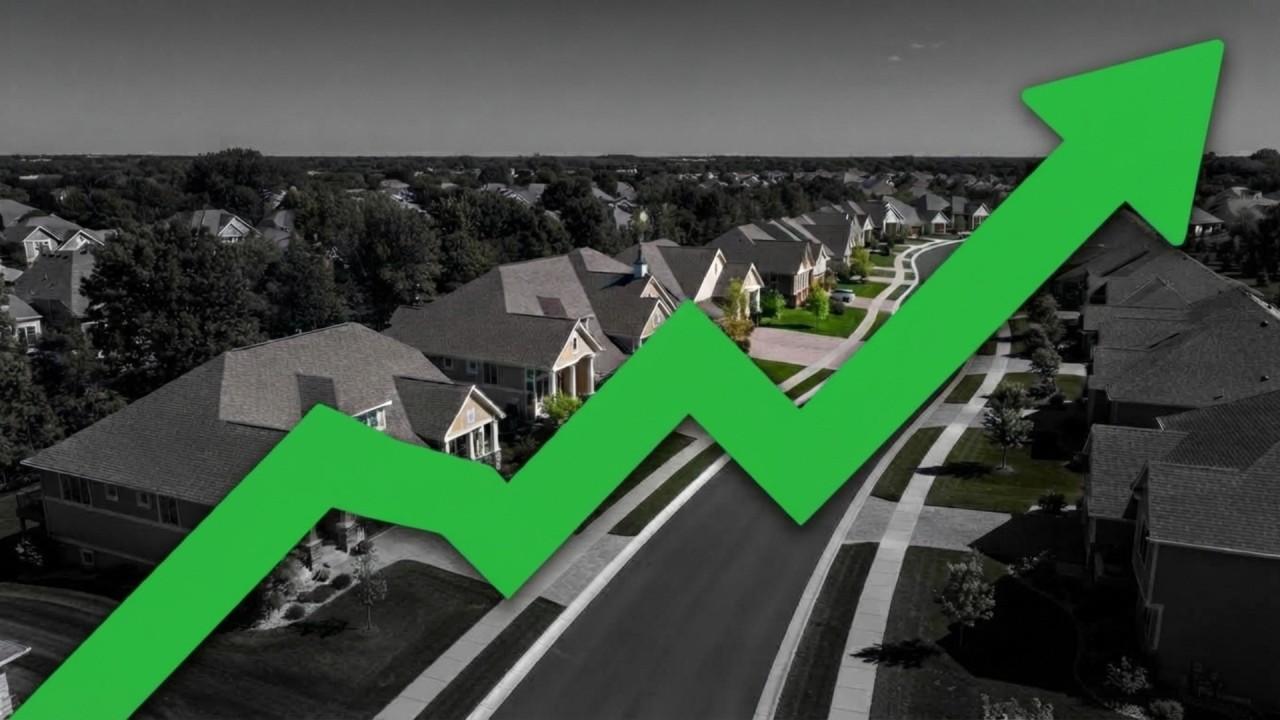
U.S. home prices rose 3.7% year over year in August 2026, marking the fastest annual growth in 12 months. That number deserves attention, but it also deserves some context.
Month over month, prices increased just 0.25%, according to RedFin. July had posted a 0.26% gain, while June came in at 0.27%.
Put those three months side by side and August looks less like a sudden acceleration and more like a market inching higher.
A repeat-sales home price index compares repeat sales of single-family homes, and August’s reading covers the three months ending August 31. That method is useful because it tracks changes in the value of similar homes over time instead of relying only on whatever happened to sell in a given month.
Still, prices increased month over month in only about half of the 50 largest U.S. metros. That matters. A national gain can look broad on paper even while a large share of major markets are moving sideways or lower.
Fastest growth in a year sounds impressive. A quarter-percent monthly increase tells a quieter story.
Prices Are Rising Even With Buyers Holding More Leverage
August also produced a combination that looks odd at first glance. Prices were rising, yet buyers had more negotiating leverage than they have had in years.
Nationally, sellers outnumbered buyers by 58%, making August the strongest buyer’s market on record.
Parts of the Sun Belt had more than two sellers for every buyer.
Ordinarily, that kind of imbalance puts heavier downward pressure on prices. Housing does not always cooperate so neatly.
Many current owners have substantial equity and little urgency to sell. Someone who bought years ago, carries a low mortgage rate, and does not need to relocate can simply wait if an offer feels too low.
A seller who does not have to move behaves differently than one who already has the moving truck booked.
Luxury demand is also helping support prices in places such as Florida and San Francisco. Higher-end buyers are often less sensitive to mortgage costs, especially when cash plays a larger role in the purchase.
Negotiations still show signs of buyer power. Nearly half of buyers recently received some form of seller concession.
Closing-cost help, repair credits, mortgage-rate buydowns, and similar incentives can make a deal more attractive without forcing the seller to cut the headline price by the same amount.
Older real estate agents learned this lesson long before anyone started putting market dashboards on a phone.
National Growth Hides Sharp Local Differences

Real estate has always been local. Nobody buys the national average home.
Year-over-year price changes across major metros make that point plainly:
As you can see, several other markets moved in the opposite direction.
Four of those five declining major metros were in Texas.
Several Texas markets also have more than twice as many sellers as buyers, which helps explain why prices there are facing more pressure.
Monthly numbers show another layer of variation:
- Louis led major metros with a 1.1% increase
- Austin and Charlotte each fell 0.7%
- San Francisco and Nassau County were also among only five seller’s markets nationwide
Anyone who has worked in housing for long learns to become suspicious when somebody describes the market with one adjective.
“Hot,” “cold,” “strong,” and “weak” can all be true at the same time, depending on the city, neighborhood, price range, and even the condition of the house.
A renovated home in a tight neighborhood can still attract strong competition while a similar-priced property 20 miles away sits for weeks. Add an old roof, an awkward floor plan, or one of those renovations where somebody decided the bathtub belonged in the bedroom, and national averages become even less useful.
Monthly Payment Is Still the Bigger Problem for Buyers

Price growth matters, but monthly payment math matters more to the person trying to buy.
Consider a $400,000 home in September 2025 with a 20% down payment.
A $320,000 mortgage at 6.26% produced a monthly principal-and-interest payment of about $1,972.
Now move the home price up 3.7% to $414,800. With another 20% down payment, the loan becomes $331,840. At a 6.95% mortgage rate, principal and interest rise to about $2,197 per month.
That is roughly $224 more each month, or an increase of about 11%, even though the home itself costs only 3.7% more.
Mortgage rates explain most of that gap. Roughly two-thirds of the added monthly cost is tied to the higher rate. At last year’s 6.26% rate, the larger $331,840 loan would add only about $73 a month compared with the earlier mortgage.
Property taxes and homeowners insurance are not included in those figures, which means actual housing costs can be higher still.
Buyers do not make payments on a housing index. They make them out of a checking account.
Higher rates also change what a modest negotiation can accomplish.
Knocking $5,000 or $10,000 off a purchase price may feel satisfying, but a rate buydown or meaningful closing-cost credit can sometimes do more for a buyer’s near-term budget.
What Buyers and Sellers Should Take Away
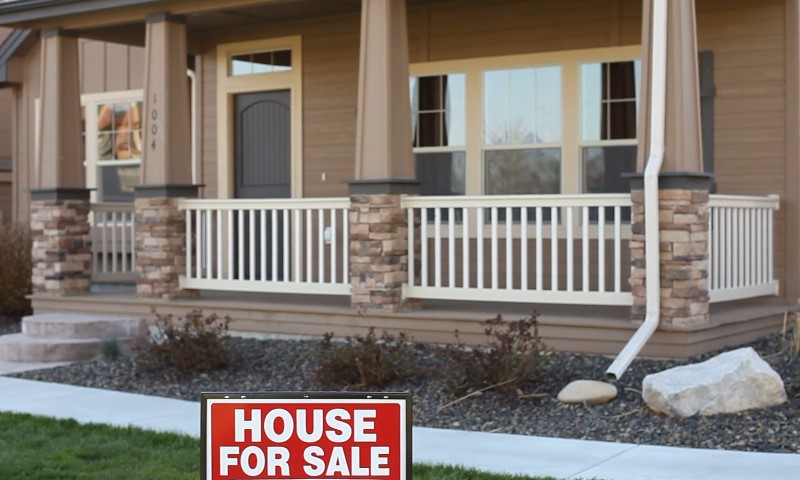
Buyers have more inventory to choose among and more room to negotiate in many markets.
That is useful, especially after several years when some buyers felt lucky just to get an offer considered.
Affordability is still the harder part, way harder than it used to be decades ago.
Increased prices paired with mortgage rates near 7% can keep monthly payments uncomfortable even when competition eases.
Concessions deserve more attention in that environment. Closing-cost assistance, repair credits, or a mortgage-rate buydown can have as much practical value as a modest cut to the asking price.
Buyers should compare each option against the monthly payment and cash needed at closing instead of treating every dollar of discount as equal.
Sellers, meanwhile, should not assume a 3.7% national gain gives them automatic pricing power. Local supply and demand matter far more.
Starting too high can leave a property sitting while newer listings attract the serious buyers.
Price cuts often follow, and a stale listing can make buyers wonder what everybody else noticed first.
We saw that pattern for years. Sellers sometimes treated the first asking price like a declaration of value. Buyers treated it like an opening sentence.
Having room to negotiate helps. Having room in the monthly budget helps more.
Rising Prices Do Not Tell the Whole Story
A 3.7% annual increase shows surprising resilience in home prices despite weak demand and a record imbalance favoring buyers.
Look underneath that national figure, though, and the market is divided. Some metros are posting large gains. Others are slipping.
Buyers have gained negotiating power. Sellers in many places have more competition.
Mortgage rates continue to make even modest price increases feel much larger once converted into a monthly payment.
Housing markets have always been messy that way. One statistic can be accurate without being enough.
National data says prices rose 3.7%. Useful information. Buyers still purchase one house, in one market, at one interest rate, and that is where the real story begins.

Home Stats Report
Home Stats Report takes a practical, numbers-first look at the American housing market, drawing on decades of real estate experience, historical trends, and the everyday realities of buying and selling homes. Housing has never been as simple as a headline suggests. Home prices rise, mortgage rates change, inventory tightens, and buyers adjust their expectations. Home Stats Report provides market commentary, analysis, and general information for educational purposes only. We do not offer financial, investment, mortgage, or real estate advice.
All reports by Home Stats Report